

3PL Pricing Explained: The Fulfillment Fees to Expect
How 3PL pricing works: receiving, storage, pick and pack, packaging, shipping and value-added fees — plus how to compare quotes and lower your costs.

Practical advice on 3PLs, fulfillment costs and logistics from the KLS Fulfillment team.
These guides explain how third-party logistics works and how to choose, price and work with a 3PL. They are written for e-commerce and wholesale brands comparing fulfillment options, especially brands that import through or sell across Southern California.
How 3PL pricing works: receiving, storage, pick and pack, packaging, shipping and value-added fees — plus how to compare quotes and lower your costs.
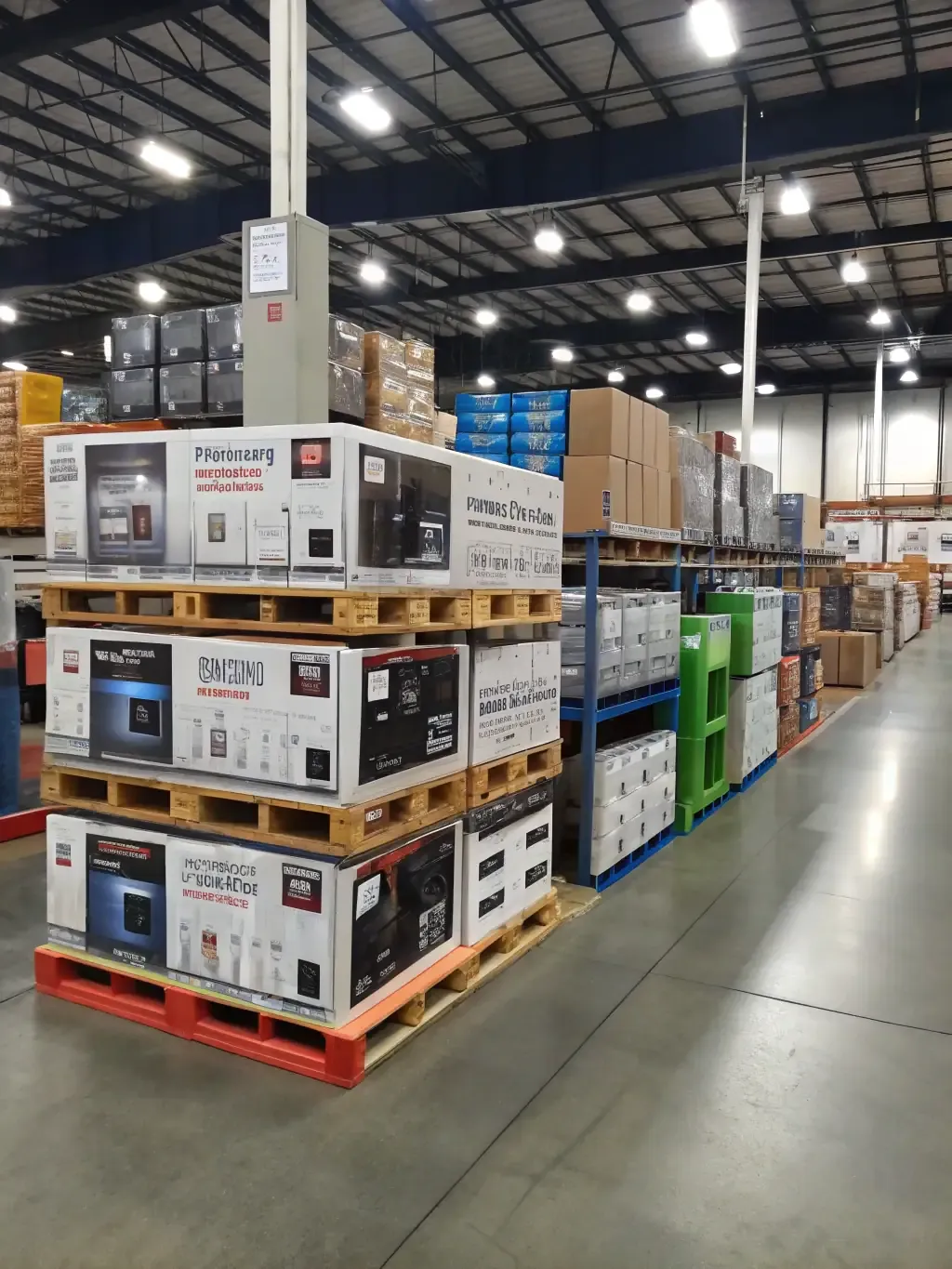
E-commerce (B2C) and wholesale (B2B) fulfillment differ in order size, packaging, shipping and requirements. Learn how each works and how to run both from one 3PL.
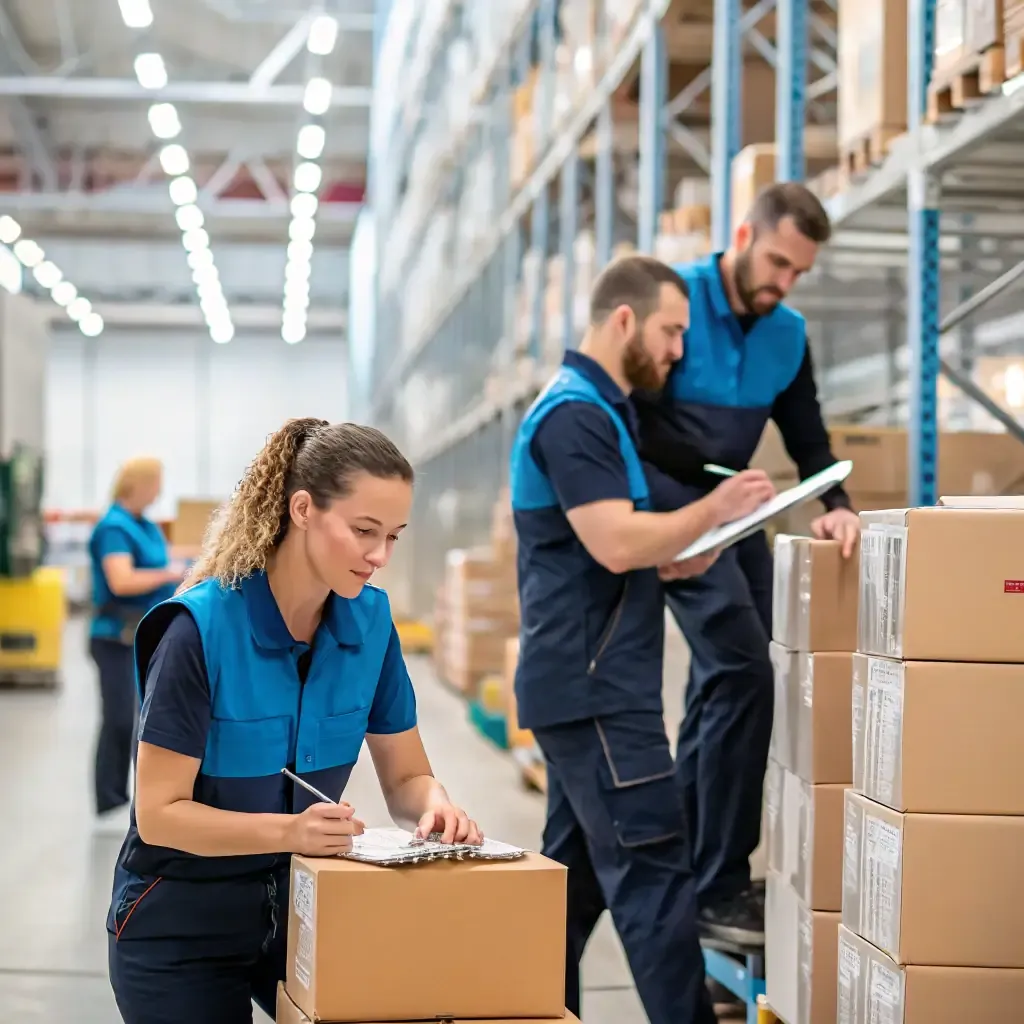
How to choose a Southern California 3PL: services, integrations, inventory visibility, clear pricing, scalability and the questions to ask before signing.
Get a tailored logistics quote from KLS Fulfillment to optimize your supply chain, storage and fulfillment.