
E-commerce vs. Wholesale Fulfillment: B2C vs. B2B Explained
E-commerce (B2C) and wholesale (B2B) fulfillment differ in order size, packaging, shipping and requirements. Learn how each works and how to run both from one 3PL.
Many growing brands start by selling online and later add retail partners — or the other way around. When that happens, it’s important to understand that e-commerce fulfillment and wholesale fulfillment work very differently, even when the products are identical.
What is e-commerce (B2C) fulfillment?
E-commerce fulfillment is the process of storing inventory and picking, packing and shipping individual orders to consumers. Orders are small — often one to three items — arrive continuously throughout the day, and ship as parcels. Speed, accuracy and the unboxing experience drive customer satisfaction and repeat purchases.
What is wholesale (B2B) fulfillment?
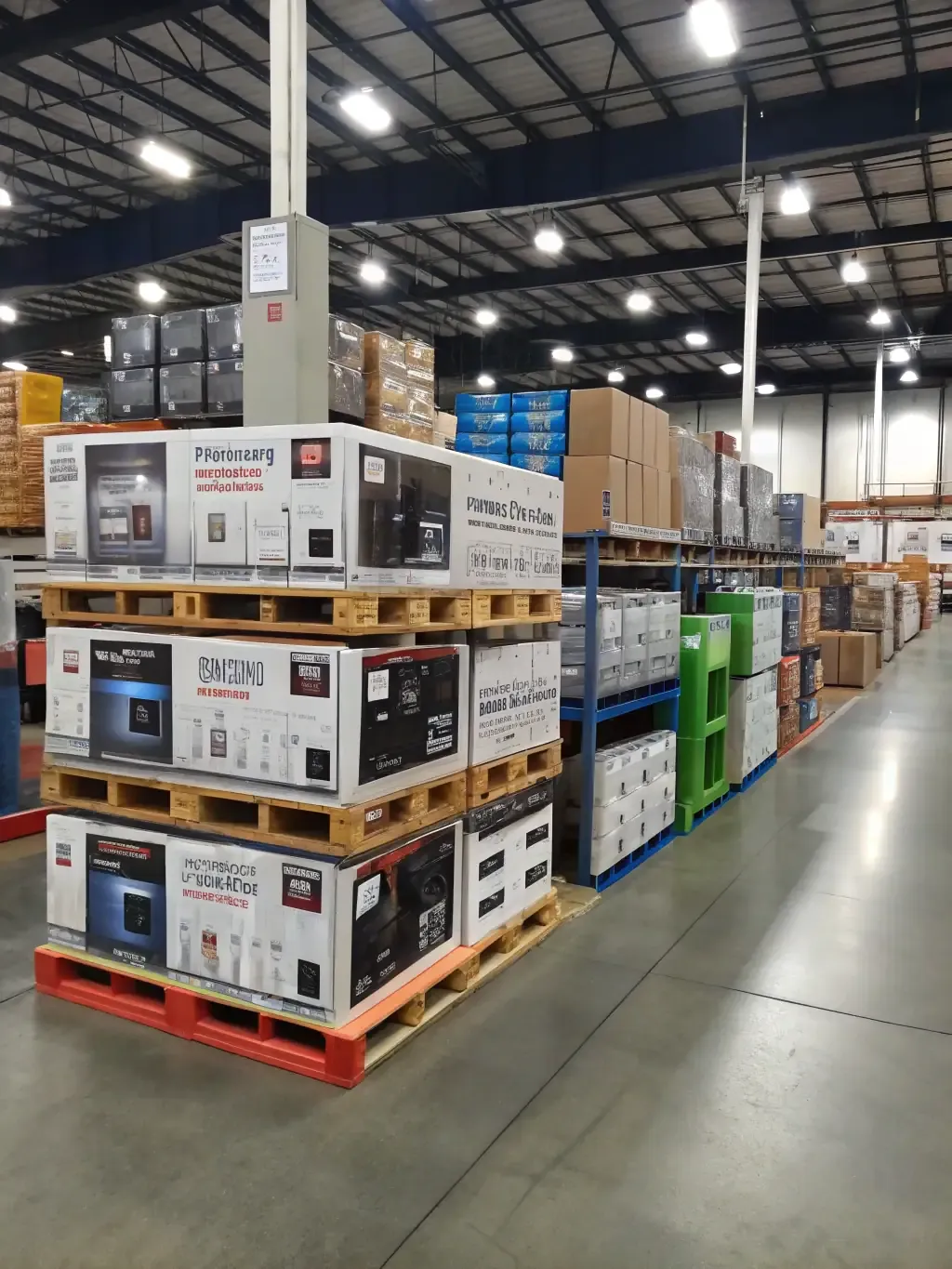
Wholesale fulfillment is preparing and shipping larger orders to other businesses — retailers, boutiques, distributors and other B2B customers. Orders contain many units, often in full cases, and ship as larger parcel shipments or palletized freight. Buyers typically expect orders to meet their delivery windows and receiving requirements.
Side-by-side comparison
| E-commerce (B2C) | Wholesale (B2B) | |
|---|---|---|
| Customer | Individual shoppers | Retailers, distributors, businesses |
| Order size | Small, few units | Large, many units or cases |
| Order frequency | Continuous, high volume | Less frequent, larger batches |
| Packing | Individual packages, branded experience | Cases or pallets, protective and efficient |
| Shipping method | Parcel carriers | Parcel or palletized freight |
| Requirements | Speed and accuracy | Buyer labeling, packing and delivery windows |
| Key metric | Customer experience and delivery time | Compliance with buyer requirements |
Why the differences matter
Packaging and presentation
Consumers judge your brand by the box they open, so e-commerce orders benefit from custom packaging and inserts. Wholesale shipments prioritize protection and efficient handling — cases and pallets that arrive intact and are easy for the buyer to receive.
Labeling requirements
Retailers and distributors often have specific requirements for how cartons and pallets are labeled. Labeling services help prepare shipments to meet those requirements.
Inventory planning
A large wholesale order can consume a big share of your stock at once. Without a single, real-time view of inventory, it’s easy to oversell online while a wholesale order is being prepared — or to hold back stock you actually have.
Running both channels with one 3PL
Using separate providers for e-commerce and wholesale means splitting inventory, reconciling two sets of data and paying to move stock between locations. Running both from one partner gives you:
- One inventory with real-time visibility across channels
- One team that understands your products and packaging
- Simpler growth when you add a new retailer or marketplace
KLS Fulfillment handles e-commerce and wholesale orders side by side for brands across Southern California. Explore our services or request a quote to talk through your channel mix.